OIL AND GAS PROGRAM - PERMITTING SECTION CHANGES AND HIGHLIGHTS
Pollution Control Sales Tax Incentive:
The 2024 legislative session, through House Bill 373, assigned the Pollution Control Sales Tax Incentive program to the Division of Oil, Gas and Mining. The division developed rules for administering pollution control tax incentives for oil and gas operations as part of this directive. These rules took effect in September 2024. Seven tax incentive applications have been received to date.
The pollution control tax incentives provide cost savings to oil and gas operators who install pollution control devices in their production operations, helping to reduce or eliminate air and water pollution. This effort reduces or eliminates volatile organic compound (VOC) emissions, contributing to poor air quality. By lowering emissions, especially in the Uintah Basin, an area known for air quality challenges, this program supports cleaner air quality.
Exploration and Production Water Recycling:
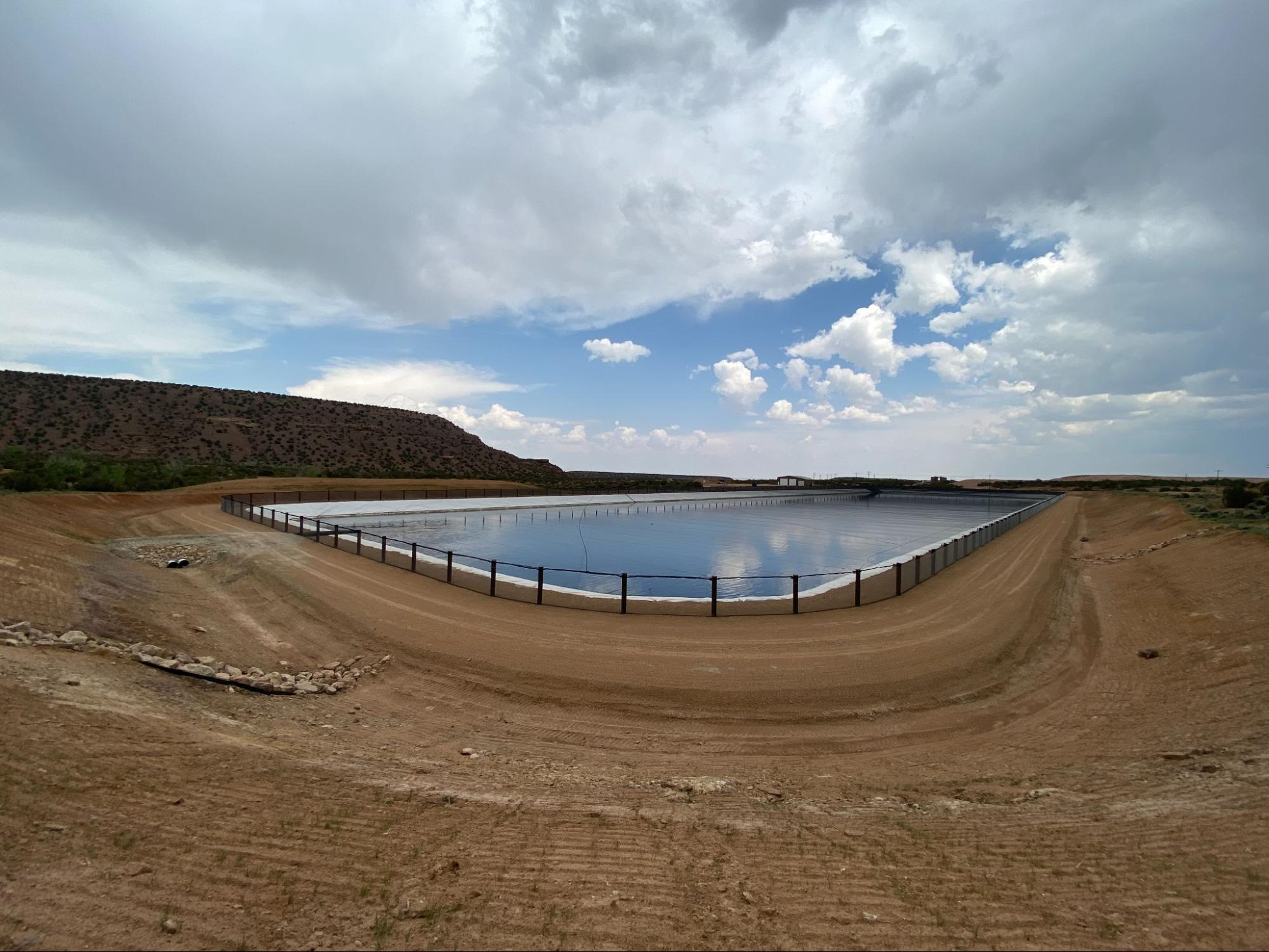
In the 2019 legislative session, House Bill 310 transferred regulatory authority over 19 oil and gas wastewater facilities from OGM to the Division of Waste Management and Radiation Control. Then, in the 2024 session, House Bill 295 assigned OGM to oversee all oil and gas produced water recycling facilities, enabling the recycling of production water and waste oil.
This initiative helps operators reduce freshwater consumption, a critical step given that well completion requires millions of gallons per well. Operators can cut freshwater use by approximately 15 million gallons per well by implementing recycling processes.
Salinity is a key factor in reusing production water in the Uintah Basin, where total dissolved solids (TDS) levels range from 11,000 to 25,000 ppm. Operators treat the water by removing most contaminants and applying chemical treatments to ensure it is safe for reinjection into geological formations.
Oil and Gas Well Permits:
Well permit application approvals currently take 53 days for review and approval. In 2024, 394 of 444 applications were approved. So far, in 2025, 46 applications have been received. Plans are in place to streamline the permitting process by updating the permitting software. The early stages of redesigning permitting processes are underway to address an outdated database. These improvements aim to reduce approval times and enhance workflow efficiency.